Scholarships

Meet the 2026 Project Fairness Scholars


The Project Fairness scholarships are awarded annually to current and former foster youth who are pursuing higher education. The winners receive financial support to participate in an educational program, and mentoring to help them achieve their academic and professional goals.

The 2026 Project Fairness scholars were selected from a large and competitive pool of applicants, and distinguished themselves for their leadership, resilience and commitment to helping others.


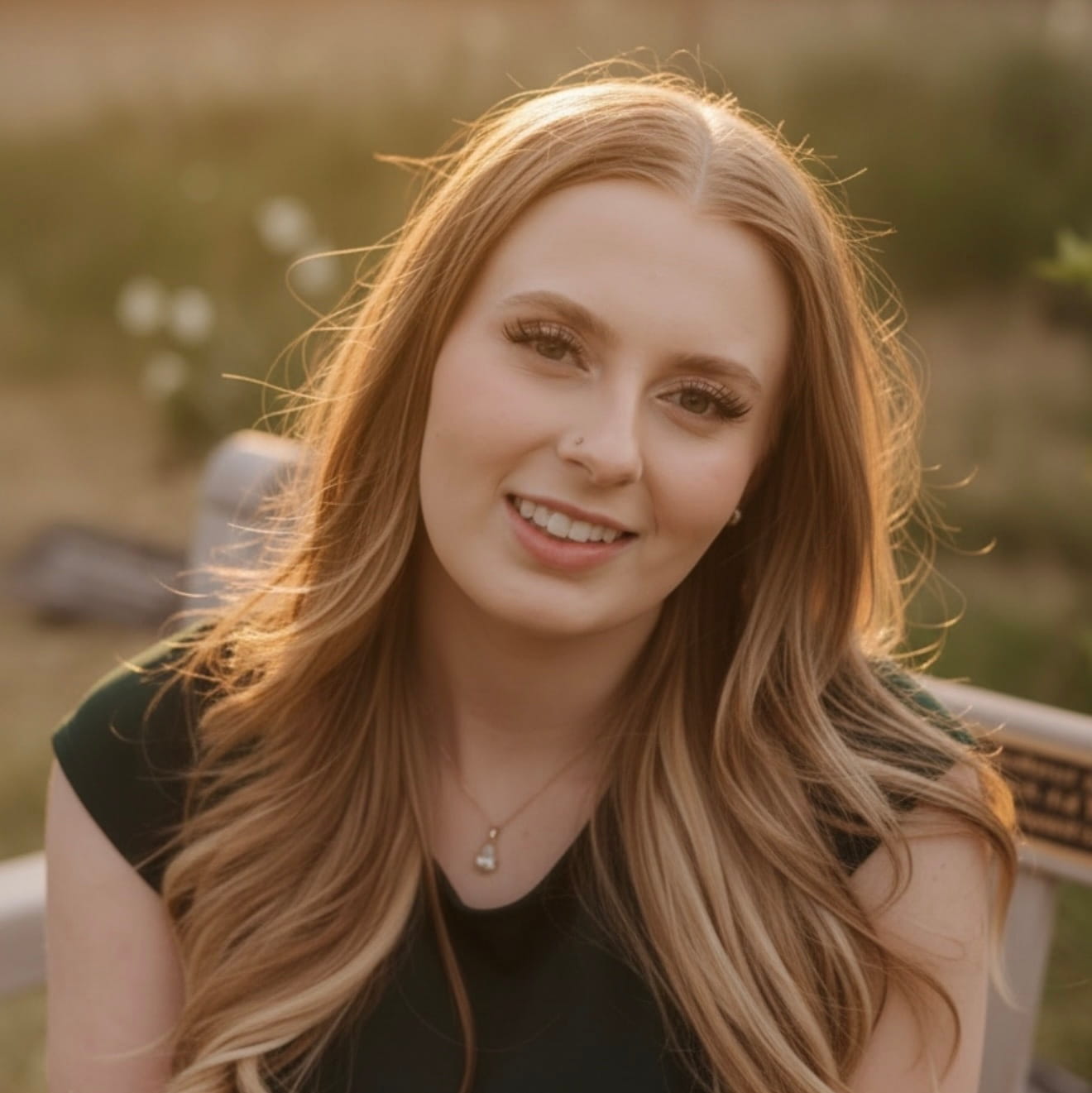
Fay Berkovich

Fay Berkovich is an incoming junior at NYU Gallatin School of Individualized Study with a concentration in Central Asian Migration and Diaspora Studies. She is a graduate of CUNY Borough of Manhattan Community College, where she earned an honors degree while majoring in Ethnic Studies. 

Fay was raised in a multi-ethnic household in Brooklyn that influenced their passion for propelling Central Asian-American migrant communities into socioeconomic parity. Her interests lie primarily in uplifting Central Asian communities by challenging their lack of visibility. She hopes to achieve this through blending demographic research with language studies and museum work, using large public institutions to generate policy change. In their free time, Fay enjoys reading, baking and exercise. In the future, Fay is eager to become a college educator and to professionally preserve cultural histories. 

Jabril Lee

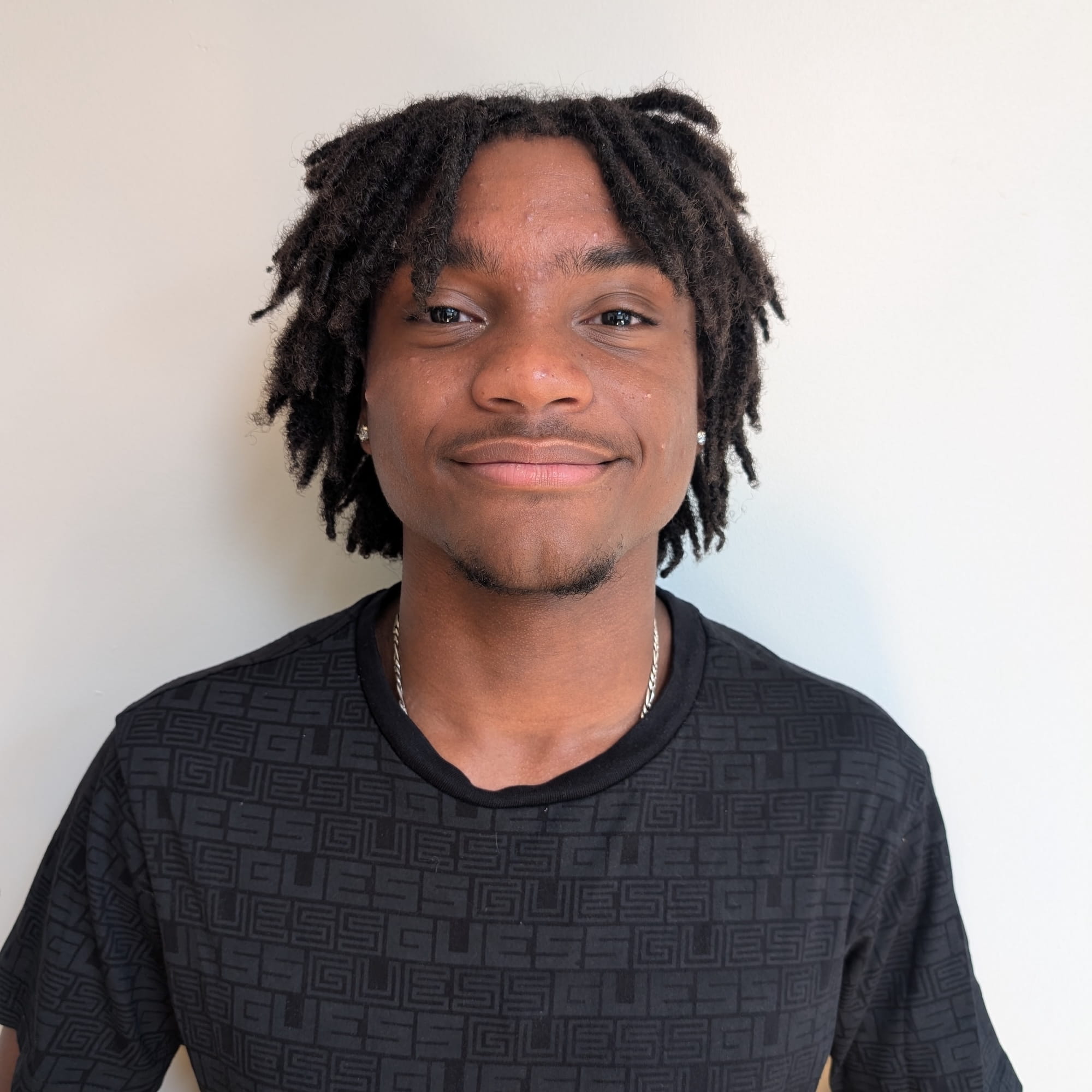
Jabril Lee is a freshman majoring in Mechanical Engineering at Morehouse College. He has also worked at the ClubHouse Network in Roxbury, where he served as a Lead Youth Leadership Counselor. 

Jabril is passionate about helping young people in his community reach their full potential. Committed to serving his community through education and technology, Jabril has tutored peers in math and computer science, taught professors at the Boston University Earle Center how to create kinetic sculptures using paper circuitry, and helped students in his neighborhood learn to use technology in a local music studio. In his free time, Jabril enjoys making music using software like BandLab and GarageBand. His favorite pastime is creating dragons out of paper, tape, and scissors, a hobby inspired by one of his favorite movies, “How to Train Your Dragon.” 


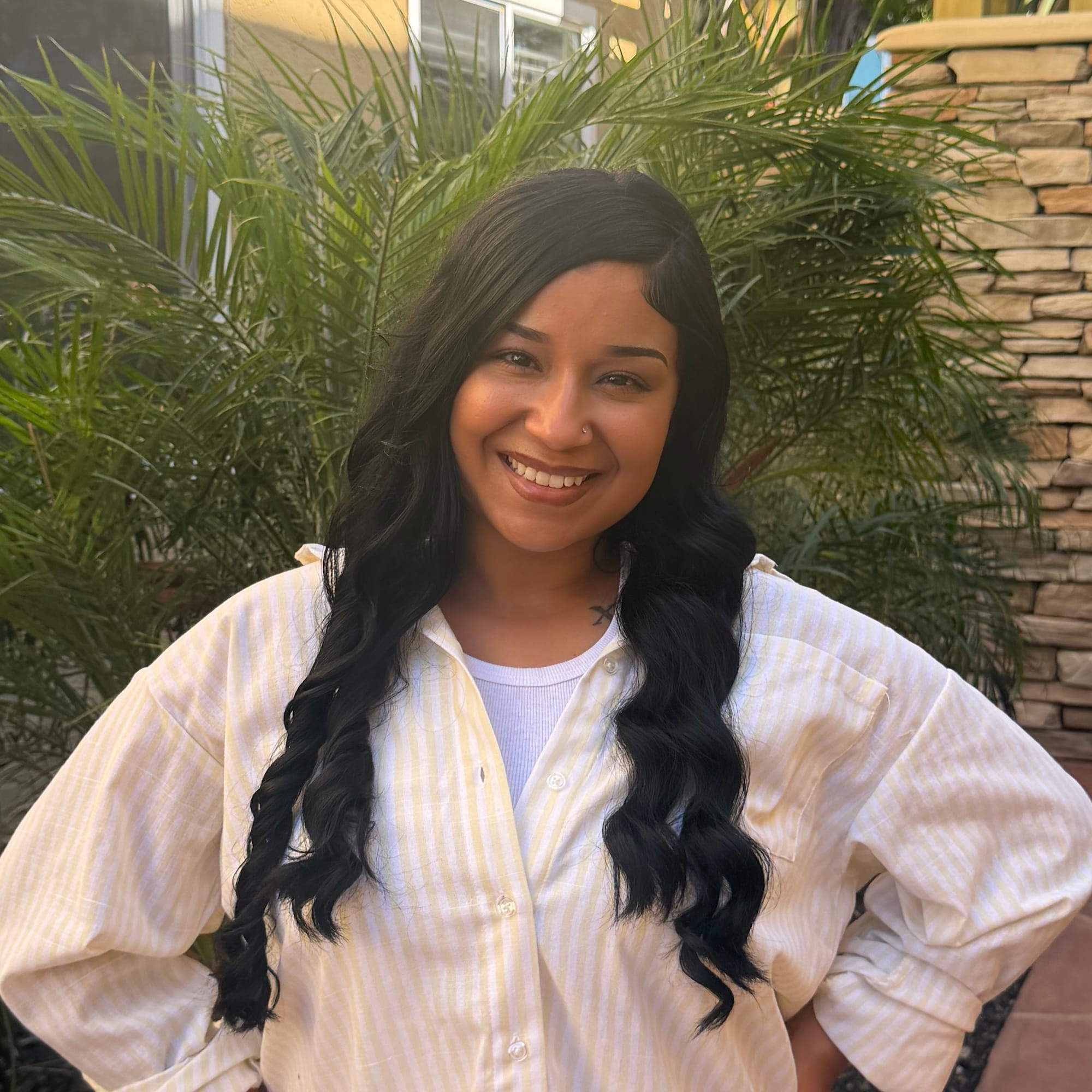
Kathryn Simmons

Kathryn Simmons is a Master of Social Work student in the Child Welfare Track at the University of Colorado Colorado Springs. She earned two bachelor’s degrees in Psychology and Sociology from the University of Colorado Boulder, where she completed an honors thesis examining stigma and placement instability in the U.S. child welfare system.

As someone who grew up in foster care, Kathryn understands firsthand the challenges many young people face while navigating the child welfare system. Today, she is dedicated to ensuring that other youth have the support, opportunities, and advocacy she wishes she had. She hopes to become a child welfare lobbyist, helping bridge the gap between research, lived experience, and legislation to create meaningful, evidence-based reforms. Outside of school and advocacy, Kathryn enjoys cooking new recipes, exploring local restaurants, spending time with her boyfriend, Anthony, and watching television.


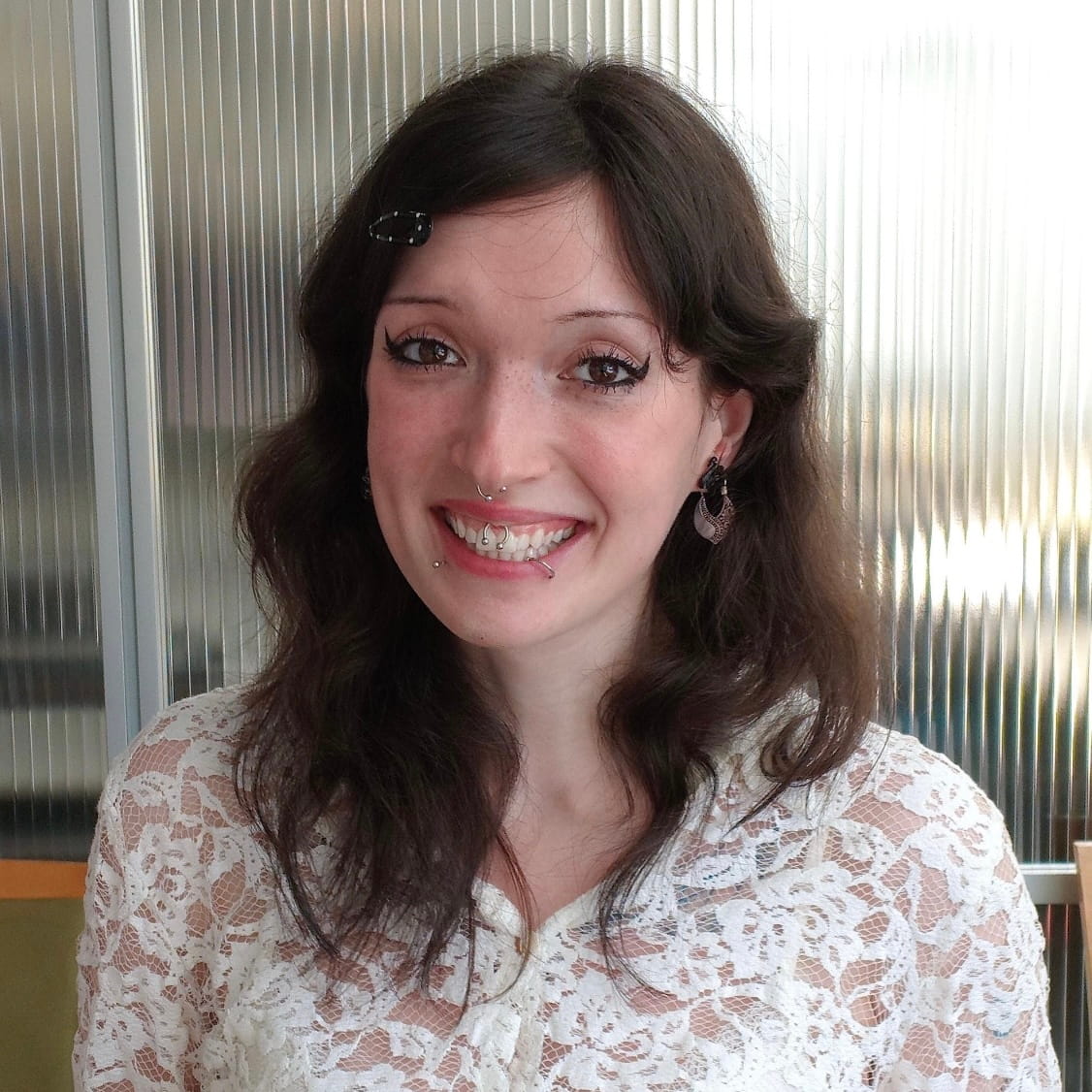
Sylvia Vizcarra

Sylvia Vizcarra is currently attending Grossmont Community College and is a Certified Nursing Assistant. She will be transferring into a Licensed Vocational Nursing program, and after she obtains her LVN she plans on becoming a Registered Nurse. 

Sylvia spent most of her childhood in the foster care system and wants to become an advocate for former foster youth. She actively supports her peers and has helped many single mothers and former foster youth find scholarships, resources, and get into college. As a single mother to two children, Sylvia is driven by giving them a safer and more stable childhood than she had.In her free time, sheenjoys doing puzzles, reading, and spending time with her children.


Selection process

Project Fairness awarded its scholarships through a detailed evaluation process conducted with a panel of advisors with experience with the foster care and/or higher education system.

All applications are evaluated by the Project Fairness board, whose members scored the applications individually and selected finalists based on assessment averages and consensus voting. The finalists’ applications were then scored by the advisory panel, and each finalist was interviewed by members of the Project Fairness board. Winners were selected on the basis of the top average scores from advisors and Project Fairness board members, combined and weighted equally, as well as to finalists who distinguished themselves during the interview process.